Halloween party ideas 2015
Showing posts with label Opinions. Show all posts

THREE YEARS WITHOUT PROFESSOR GEORGE OBIOZOR ~ By Uche Obiozor

A couple of weeks ago, I had cause to ruminate over the life and times of my late uncle, Professor George Obiozor, through an article entitled: “TRUMP: IF AMBASSADOR GEORGE OBIOZOR WERE STILL ALIVE”. As the title suggests, I was moved to do the write-up in the wake of the diplomatic uneasiness between our dear country, Nigeria, and the United States of America, following the recertification of Nigeria as a “Country of Particular Concern” by the Donald Trump administration; and the latter’s threat to invade our country to tackle terrorists and insurgents. As expected, several well-meaning Nigerians came up with the argument that what Nigeria needs now are deft diplomatic moves and naturally, Professor George Obiozor, easily one of the most experienced diplomats Nigeria has ever produced, came to mind. After the article, I came across several comments in the social media reaffirming the fact that the late Professor Obiozor would have been quite handy in engaging the US government concerning the matter under discuss.


Today, however, is his death anniversary and even though the matter for which Nigerians recently talked and wrote about him is still lingering, Professor Obiozor is missed in more ways than one. Professor George Achulike Obiozor towered in academics, public service and diplomacy but his last duty post was as the president-general of Ohaneze Ndi Igbo, the apex socio-cultural organization of the Igbo nation. In other words, Professor Obiozor had, after several years of serving Nigeria and indeed the international community quite meritoriously, returned home to serve his own people, the Igbo. Even though he was more or less persuaded into accepting to serve in that office, Professor Obiozor put in the same verve, diligence and enthusiasm with what he carried out his national and international assignments earlier. He did not see serving his own kinsmen less challenging than in capacities that made him a recurring decimal in every administration since the Second Republic, whether military or civilian.


As a matter of fact, there was no THINK TANK in the country Professor Obiozor was not part of. He was not a politician but he was a master strategist and was consulted by even the most astute politicians. Of course, his definition of politics as a concentric circle of conspiracies wherein the last set of conspirators would always emerges victorious remains a classical reference in almost every political discussion in Nigeria.  Still, the period he served his people as president-general of Ohaneze Ndigbo could be said to be one of the most tasking in his career. Although his ascendance into that office marked a water shed in the existence of the body, it was at a most difficult time in the relationship between the Igbo and their fellow compatriot across the country. He took up the job of leading the Igbo at the height of the separatist mantra of some younger elements in Igbo land. And even though the movement was initially non-violent, criminally-minded elements soon infiltrated the struggle and began to unleash mayhem on the people.


Thus, throughout his tenure as president-general of Ohaneze Ndigbo, Professor Obiozor was caught in between assuring a skeptical Nigerian nation that his people are committed to the unity of Nigeria on one hand, and convincing the agitators that Ndigbo are better off in a larger, united and peaceful Nigeria on the other. For a fellow who had been taken into confidence by the highest echelon of the national political establishment, nothing could be more worrisome than being perceived as condoning tendencies that challenged the unity of the country. But contrary to insinuations in some quarters that he would play the ethnic irredentist, he took the new assignment from a robust patriotic ambience.


Because he believed that injustice was at the root of the separatist agitations that were, in any case, not limited to his people, that apparent dilemma was for him easy to handle. He once told a panel of journalists who thought they could blackmail him on the issue of the Indigenous People of Biafra (IPOB) thus: “the IPOB boys are our children and we cannot deny then” but he quickly cautioned that his kinsmen in Igboland must try and “listen to good counsel from their leaders”.


Further prodded by one of the panelists whether the Ohaneze which he was leading believes in Biafra, he said “There is Biafra in anyone looking for justice”, adding that “so long as injustice is meted to people in any part of the country, sentiments like Biafra are bound to arise irrespective of tribe, religion or geography”. For the one and half years he served as Ohaneze president-general, Professor Obiozor kept saying, “Igbo are not at war with Nigeria”.


Apart from the challenge posed by the separatist movement and the consequential mounting of suspicion of his Igbo kinsmen by other sections of the country, it was during the same period that agitations for a Nigerian president of Igbo extraction got to a crescendo. Professor Obiozor, both as an individual and as leader of the Igbo nation, threw his weight behind it. He once said, “finally, it is our turn. It is right, reasonable and timely. Igbo president is our agenda”. Unfortunately, death came a few months before the 2023 presidential election but even though the outcome was not as he would have wished, Nigerians missed his own perspective on how the entire thing ended up.


Of course, that was not the first time he was playing a leading role in the pursuit of the interest of his people. Professor Obiozor played a key role in facilitating the return of the late Dim Chukwuemeka Odumegwu-Ojukwu to Nigeria in the Second Republic. He acted as a mediator between Ojukwu and the Nigerian government then headed by President Shehu Shagari, shuttling between Lagos and the then Ivory Coast, now Cote d’ Ivoire. In that assignment, he worked closely with some of Igboland’s finest intellectuals like the late Chuba Okadigbo, who was a Special Adviser to President Shagari, Nnia Nwodo, who was a minister in that republic and ABC Nwosu.


My last article on Professor Obiozor referenced earlier and in which I sought to explore what would have been his position on President Trump’s current posturing on Nigeria, was published a few days just before the sentencing of Mazi Nnamdi Kanu to life imprisonment by a federal high court. Now that we are marking his death anniversary amid a heated debate over that judgment, a good question would be, what would have been Professor Obiozor’s position on the matter. But the answer is not difficult to fathom. Professor Obiozor would have aligned with several other well-meaning Nigerian to tell his Igbo kinsmen to remain calm as a “political solution” is in the offing.


Professor Obiozor was a statesman, a renowned academic, public servant and diplomat, but he was first and foremost a community leader and successful family man. He was born and raised in Awo-Ommama, an ancient community in the Oru-East local government area of Imo state. Even though he rose to the apogee of his academic and public service career, he was very much in touch with his roots. He served his immediate community meritoriously and was honoured with a chieftaincy title of Ugwumba I of Orlu in 1991. Professor George Obiozor was blessed with a beautiful family.   


On March 21, 2023, Prof’s country home in Awo-Ommama was razed down by unknown hoodlums using Improvised Explosive Devices (IED). Naturally, the incident was greeted with outrage but till date, the mystery over it is yet to be unraveled. Even though he knew that there was bound to be a price to be paid for providing leadership at such a precarious period, that was clearly a heartless show of ingratitude to an 80-year old man who had used his active days in service of both the entire Nigerian nation and his kinsmen in Igboland. Prof. was to latter confide in some of his close associates that what pained him most in that incident was the loss of a manuscript of a book he had hoped would be his last, along with his world-class library that took him several years to build.


Following the formal announcement of his death by Governor Hope Uzodimma, on December 26, 2022, a deluge of tributes flooded the media from across the world. This was how Governor Uzodimma, himself a longtime ally and kinsman of Professor Obiozor, described him: “A renowned academic, an exceptional diplomat, a statesman, and a tenacious patriot”. Former Nigeria’s Foreign Affairs Minister, Major General Ike Nwachukwu (rtd), whom Professor Obiozor served as Special Adviser, had this to say: “I can attest to the fact that Georgy was made of impeccable qualities. He was a scholar, an exquite diplomat and a man of vast public knowledge. Notwithstanding his depth of knowledge and interest in writing, he remained an unassuming intellectual who was beholding to a life of pleasant expositories laced with humour”. Professor Chido Nwangwu, a US-based academic wrote of him thus: “Only as few scholars had the skills of interpreting and speaking rather clearly on a multitude of global issues and situating the most practical implications and connections”.


A former governor of Imo state, Ikedi Ohakim, wrote of him thus: “Professor Obiozor was not just a brilliant academic, he was a philosopher, a great thinker, a trait he embellished with a down-to-earth and unassuming mein that set him aside from most of his colleagues”. Former Minister of Aviation, Osita Chidoka, says of him: “He was deep, humorous and Intellectually rigorous”.


In a tribute on behalf of the Nigerian Institute of International Affairs (NIIA), which Professor Obiozor once headed as Director-General, Professor Eghosa E. Osaghae, the head of the institute at the time of Prof’s passing wrote, among other things: “Professor Obiozr demonstrated unalloyed zest for strengthening our capacity to actualize Nigeria’s manifest destiny as African and global leader”.


President Muhammadu Buhari in his own tribute wrote that Professor Obiozor’s “contributions to a peaceful and stable polity … will never be forgotten”. President Olusegun Obasanjo, in whose administration he served as Ambassador to Israel and the United States, noted that Professor Obiozor’s tenure was “a fitting complement to my administration’s efforts to re-make the international profile of Nigeria”. Similarly, President Gooluck Jonathan in a tribute asserted that “Professor Obiozor was a great patriot whose love for the nation and his people knew no bounds in his selfless service towards the unity and development of our country”. We can go on and on but space constraint would not permit going beyond a few of the many acknowledgements by eminent personalities of his contributions not only to the building of the Nigerian nation but also to international scholarship and diplomacy.


Professor Obiozor had his early education at Awo-Omamma Comprehensive Secondary School from 1959 to 1963. For his higher education, he attended the Institute of African studies, Geneva, Switzerland in 1967 for a Diploma programme. He later proceeded to the University of South Tacoma, Washington, USA where he obtained a B.A (Hons) in Political Science in 1968.


He obtained a Master’s degree from Columbia University, New York, in International Law and Organization, M. Phil in International Affairs in 1974 and finally a doctorate in International Affairs in 1976. Professor Obiozor was a lecturer at the Pratt Institute, New York, from 1971 to 1975. He went on to become an assistant Professor of Political Science in City University of New York, Medgar Evers College between 1975 and 1979 and Rlaph Bunche Fellow at the City University of New York Graduate Center, from 1977 to 1978.


He was the Ambassador of the Federal Republic of Nigeria to the state of Israel and High Commissioner to the Republic of Cyprus between 1999 and 2003 and later Nigeria’s Ambassador to the United States from 2004 to 2008. Before his engagements with foreign missions, he had been Special Adviser to the Nigerian Minister of Foreign Affairs and Special Assistant to the President on International Affair in 1990. He also served as Director-General of the Nigerian Institute of International Affairs, Africa’s foremost foreign policy think tank. Professor Obiozor authored several books and other seminal works including highly regarded journal articles. Sleep on Ugwumba          


Hon. Uche Obiozor writes from UbaChima, Awo-Ommama Imo State


Peter Obi Declines ₦120 Million Birthday House Gift, Redirects Funds to Build Classrooms

Peter Obi, former governor of Anambra State and 2023 Labour Party presidential contender, has disclosed that he declined a ₦120 million home gift given to him on his 50th birthday while in government, opting instead to put the cash into public education projects.  Marking his 64th birthday in a statement on July 21, 2025, Obi described this choice as part of his greater commitment to prioritize the well-being of Nigerians before personal luxury.


 Obi claimed that during his stint as governor, an institution promised to construct him a magnificent mansion costing ₦120 million as a birthday present.  Rather than accepting the present, he proposed that the money be put into establishing schools throughout three communities—Agulu, Ekwulobia, and Abatete.  The college heeded his request, and the classrooms created continue to benefit students in those communities, increasing the effect of what would have been a private asset.


 In addition to denying the property, Obi also turned down a ₦20 million birthday celebration that had been organized by another group.  He recommended that the money instead be utilized to buy desktop computers for schools in Anambra State.  This petition resulted in the gift of 200 computers, which were delivered to different schools around the state, increasing the learning environment for pupils.  Such gestures demonstrate Obi’s idea of diverting resources into education and public service rather than personal celebration or money building.


 Obi noted that he has never felt comfortable celebrating birthdays personally and instead wants that money designated for such festivities to be transferred to programs that bring enduring social benefits.  He voiced displeasure over Nigeria’s widespread misery and deprivation and urged contemporary public authorities to take the same approach by prioritizing expenditures in healthcare, education, and other essential public services.


 Beyond education, Obi mentioned that in a related instance, an organization intending to celebrate him contributed buses instead, which he then allocated to institutions in need, including one given to the Old Rangers Association, further illustrating his consistent practice of redirecting personal gifts to public uses.


 In his message, Obi prayed for Nigeria, imploring God to touch the hearts of the country's leaders and instill in them an awareness that public money is intended for the general welfare.  He underlined the need for a fair, caring, and egalitarian society, asking leaders to embrace policies that empower the majority rather than promote personal or political interests.


 Obi’s attitude has provoked conversations throughout Nigeria, revealing opposing perspectives on leadership and governance.  However, some detractors, notably Lagos State governor Babajide Sanwo-Olu, have contested Obi’s record, stating that poverty rose under Obi’s governorship in Anambra, comparing it with the decrease in poverty in Lagos under Sanwo-Olu.  The Lagos governor also challenged Obi's critiques of Nigeria overseas, stating that real patriotism requires favorably promoting the nation.


 Security worries have marred the festivities of Obi’s birthday.  Kaduna State police stopped a planned protest in celebration of his birthday owing to intelligence inputs indicating that the event would be hijacked by non-state actors, presenting a danger to public safety.


 Obi’s actions surrounding the ₦120 million home gift and other birthday-related offerings emphasize his persistent message on responsible leadership and public service—a message that resonates with many Nigerians wanting accountability and good government.  His approach represents a notion that leaders should forgo personal enrichment and instead dedicate resources to improve the lives of people via meaningful expenditures in education and health.


 As Nigeria continues to battle with economic issues and social disparities, Obi’s example serves both as a criticism of established political practices and a demand for ethical leadership committed to the common good.  His actions during his governorship represent a type of leadership that stresses social welfare above individual wealth, a perspective that continues to influence public conversation in Nigeria.


A well-known Nigerian Public Relations Expert, Behaviour Change Communication Lecturer and Media Consultant, Augustus Onyekachi Nwaozor, hàs aired his view on political developments in Nigeria, describing the former governor of Anambra State and 2023 Presidential Candidate of Labour Party, Mr Peter Obi, as a political earthquake in Nigerian politics.


He stated this on Sunday, July 20, 2025, in Owerri, the Imo State capital, during a telephone interview with Crustlikereporters correspondent. He pointed out that Nigeria’s political landscape has always been turbulent, marked by rigid party loyalties, ethno-regional power tussles, and entrenched elites whose grip on power often stifles the country’s democratic renewal. Yet, in recent years, a remarkable phenomenon has shaken the very foundations of this status quo — the emergence of Peter Obi as a formidable political force. His rise is nothing short of a political earthquake, toppling old narratives and altering Nigeria’s democratic terrain in profound ways.


He went on to say that, "for over two decades, Nigeria’s political space has been dominated by two main parties: the Peoples Democratic Party (PDP) and the All Progressives Congress (APC). These parties had long monopolized power, perpetuating a cycle of patronage politics and deepening public cynicism. Peter Obi’s entrance via the Labour Party (LP) shattered this duopoly, providing a credible “third force” that resonated especially with the youth and a vast segment of the marginalized electorate.


"Obi’s political emergence was not a mere happenstance; it represented the crystallization of a mass yearning for change, justice, and a break from the old order. His appeal lies in his reputation for integrity, competence, and a people-centred leadership style that prioritizes governance above ethnic or regional allegiances — qualities painfully scarce in Nigerian politics".


"At the heart of Peter Obi’s seismic impact is his ability to mobilize the Nigerian youth, who constitute the majority of the country’s population but have traditionally been disenfranchised or ignored. The “Obidient” movement embodies a political awakening among young Nigerians who no longer accept politics as business as usual. Obi symbolizes their hopes for fairness, social justice, and equitable development — a departure from transactional politics that revolve around ethnic militias and godfatherism".


"This youth-driven political awakening has disrupted conventional vote bank calculations and challenged politicians to engage with issues of transparency, accountability, and competence. It is no surprise that instead of amassing wealth for cronies, Obi is lauded for refusing to indulge in the conventional practice of doling out appointments to political friends and focusing instead on infrastructural and educational reforms as governor of Anambra State".


Speaking further, Augustus Onyekachi Nwaozor hinted that, "Peter Obi’s governance record offers a compelling testimony to his political philosophy. His administration’s investments in road construction, education revival, and healthcare improvements carved out a model that many Nigerians now believe could be scaled nationally. This focus on tangible development fosters trust and sets him apart in a system often criticized for empty promises and corruption".


"Where many politicians pivot on rhetoric, Obi emphasizes data-driven policies and capacity-building. His candid critique of the current administration’s economic mismanagement exemplifies his refusal to mince words on Nigeria’s challenges, even as critics dismiss some of his economic proposals as simplistic. Nonetheless, his approach has redefined what Nigerians expect from their leaders, prioritizing sustainable development over populist slogans".


"One of the most dramatic ruptures Obi precipitated was his defection from the PDP in 2022 to the Labour Party after the PDP refused to zone its presidential ticket to the South-East, his region. This act was more than a personal protest — it highlighted the entrenched problems around zoning and internal party democracy, which consistently limit political opportunities to peripheral voices and destabilize the opposition".


The Public Relations Expert stressed that Obi’s defiance has forced Nigerian political parties to reconsider their rigid internal arrangements. He represents a coalition builder whose ideology transcends archaic regional and ethnic divides, intensifying calls for a political culture that aligns with Nigeria’s diversity and demographic realities.


He also said that despite his popularity, Obi’s journey is fraught with challenges. Intra-opposition rivalries remain; the recent alliance of Obi and Atiku Abubakar under the African Democratic Congress provides a glimpse of evolving pragmatic coalitions aimed at dethroning the ruling APC in 2027. However, as political analysts note, for such an alliance to succeed, sacrifices and strategic compromises are essential.


Adding that, Obi’s commitment to reform also brings him into conflict with the established political order, as evidenced by efforts to undermine his political rights and movement, such as restrictions on his free movement imposed by some state governors. Such actions underscore the resistance from entrenched interests threatened by his disruptive agenda.


"Beyond elections, Peter Obi is a symbolic earthquake for Nigeria’s democratic culture. He embodies the possibility of a break from patronage and ethno-regional polarization towards politics that respects the electorate’s demand for transparency and fairness. His leadership style encourages civic participation, grassroots mobilization, and a collective ownership of democratic processes".


"Obi also challenges the entrenched narratives that have long shaped Nigerian politics, where power rotates solely along geo-ethnic lines, sidelining merit and integrity. His ascent insists on a Nigeria where competence and compassion guide governance, and where the youth no longer remain sidelined spectators but active protagonists of the nation’s destiny".


The Media Consultant concludes that Peter Obi’s political earthquake has reverberated far beyond campaign rallies and vote counts. It has shaken the foundations of Nigeria’s political system, opening cracks in the old order and inspiring a nationwide movement for change. As Nigeria approaches future elections, the question on everyone’s mind is not whether Obi will remain a political force but how this seismic shift will reshape the country’s democratic evolution.


"Nigeria stands at a historic crossroads, and Peter Obi’s example offers a hopeful blueprint for political renewal, a call for leaders willing to embrace sacrifice, champion developmental governance, and build institutions that truly serve the people".


"In a nation yearning for transformation, Peter Obi is not just a politician; he is the tremor redefining the landscape, the political earthquake signaling that the ground beneath Nigeria’s democracy is shifting, and the old structures may never stand the same again", he stated.


Augustus Onyekachi Nwaozor is a Public Relations Expert, Behaviour Change Communication Lecturer, and Media Consultant. He writes on Behaviour Change and governance in Nigeria.


2027 Presidential Race: Atiku Urged to Step Aside for Peter Obi

As Nigeria nears the 2027 general elections, the political landscape is experiencing seismic shifts, particularly the departure of former Vice President Atiku Abubakar from the Peoples Democratic Party (PDP) to the African Democratic Congress (ADC).  This move, joined by at least 26 Senators and 31 House of Representatives members, has renewed demands for unification among opposition figures, particularly between Atiku and Peter Obi, the 2023 presidential candidate of the Labour Party (LP).


 Prominent voices within Nigeria’s political circles are asking Atiku to consider a strategic sacrifice: stepping aside to allow Peter Obi a cleaner route to the presidency.  This call reflects a shared realization that Nigeria’s difficulties necessitate a united front to dislodge the ruling All Progressives Congress (APC) and President Bola Tinubu, who currently retains office with a plurality from a fractured opposition.


 Atiku’s exit from PDP, citing “irreconcilable differences” and discontent with the party’s direction, has dramatically disrupted Nigeria’s political equilibrium.  His transfer to the formerly small ADC rapidly improves the party's national status, bolstered by the rush of parliamentarians who have joined him.  However, this coalition’s ideological cohesiveness remains dubious, since ADC includes heavyweights with different goals.


 At the same time, Peter Obi remains an important character.  The former Labour Party presidential candidate wields strong grassroots support and is appreciated by many young Nigerians disillusioned with the old parties.  Yet, Obi confronts a dilemma: he may either stay an independent figure in the Labour Party, join the ADC where Atiku currently lives, or return to the PDP, which still has the largest party machinery in the country.  Each approach bears inherent risks—remaining independent risks fragmenting opposition votes, ADC may confine him to Atiku’s shadow, while PDP’s internal conflicts and damaged reputation may restrict his message.


 Observers argue that Atiku’s biggest contribution to Nigeria’s democracy and future could be his willingness to step down in favor of Peter Obi, mobilizing the opposition vote and increasing the possibilities of unseating President Bola Tinubu.  An unknown associate of Atiku has hinted that Atiku is ready to cooperate with Obi, realizing the necessity for a united front.  This coordination is thought vital because history suggests that splintered opposition aids the incumbent—Tinubu won in 2023 with just 36.6% of the vote because of fractures among oppositional candidates.


 The lengthy battle between Atiku and Obi has often distracted and divided their joint base of voters.  However, the political imperative now pivots on unity, warning that personal objectives might need to be subjugated to the collective goal of revolutionary administration in Nigeria.  The political analyst community largely warns that if Obi and Atiku run separately again, it will practically grant Tinubu a default win.


 Political talks are hampered by the intricate relationships and histories between leaders.  For instance, the PDP faction led by Wike (known as the G5 governors) remains influential, and past disagreements between Obi and Wike could hinder consensus-building attempts.  Additionally, some in the PDP doubt if the party’s machinery will sincerely accept Obi as the southern candidate or rather seek to utilize him as a vehicle to reclaim lost territory.


 Moreover, the African Democratic Congress (ADC) has implemented constitutional rules that supposedly ban Peter Obi from pursuing its presidential candidacy in 2027, essentially restricting his prospects within that platform and focusing on Atiku as ADC’s favorite candidate.  Such internal party dynamics underline the challenges to building a clear, opposition-wide alliance.


 Peter Obi’s popularity among Nigerian youth, particularly through the Obidient Movement, demonstrates a growing need for accountability, social equality, and progressive ideas.  Obi has indicated openly that he is not interested in alliances established purely for political power-grabbing without defined governance ideals.  This stance illustrates the transformative aspirations many Nigerians have for his leadership.


 However, the pragmatic realities of Nigerian politics show that ideas alone would not guarantee electoral success.  The machinery of political parties, the influence of established power brokers, and the necessity of public mobilization frequently require compromises to unify disparate political interests against the dominating APC.


 Atiku’s defection and the speculative collaboration with Obi and other opposition figures, notably Rabiu Kwankwaso of the New Nigeria Peoples Party, have reignited hopes for a formidable united opposition in 2027.  Yet, the question remains: will personal goals and party affiliations give way to the wider picture of Nigeria’s democratic renewal?


 Political observers underline that the coming months are essential.  The opposition’s ability to establish consensus—whether by Atiku stepping aside, Obi joining the PDP, merging parties, or building new coalitions—will likely determine the 2027 election outcome.


 Nigeria’s political destiny may possibly rely on Atiku Abubakar’s willingness to move aside for Peter Obi.  Such a measure would not only reflect personal sacrifice but also a commitment to national interest above individual desire.  For many Nigerians, this imagined act of political maturity may constitute the greatest sacrifice in the service of democracy, offering a united opposition capable of fighting entrenched power and restoring faith in the country’s government.


 The political clock is ticking, and as the 2027 election draws near, the nation waits anxiously to see if its leaders can emphasize unity over division and work to construct a more promising Nigeria.


Repeated Attacks on IMSU Management, A Deliberate Attempt to Misinform the Public and Damage IMSU Management's Reputation ~ By Augustus Onyekachi Nwaozor

There is a popular saying which goes this way, "A man without enemies is an enemy to himself, because he lacks courage and determination to accomplish what can attract enemies of progress". We are therefore not surprised that enemies of Imo State University (IMSU) Management's progress, under the able leadership of Professor U. U. Chukwumaeze, SAN, FCArb, have resorted to all forms of attack against the Management with the aim of damaging IMSU Management's reputation, misinforming the public, and undermining the University's credibility.


Some of the propaganda tools and misinformation campaigns these disgruntled elements and their paid collaborators deployed against Management of Imo State University are, but not limited to, the recent AI-manipulated viral video about IMSU, video/picture of leaking roof of lecture theater, publication at Frontline Express Newspaper with the title: "IMSU's Lamentable Delay in Releasing Results: Graduates Await NYSC Clearance", just to mention a few, are nothing but distorted snippet that misrepresents the true state of affairs at Imo State University. 


Some of the questions begging for answers are: What do the architects of this AI-Manipulated Video and other propaganda tools aimed at misinforming the public stand to gain by directly or indirectly destroying the integrity and reputation of the Visitor to Imo State University, His Excellency, Distinguished Senator Hope Uzodimma, CON, (Onwa), and the Management of Imo State University, ably led by Professor U. U. Chukwumaeze, SAN, FCArb?


How is it possible that the acclaimed "reporter", who is identified as a popular cyclist in Lagos State, mysteriously found himself in the city of Owerri/Imo State University, riding the same bicycle he is known for in Lagos State, and at the same time showcasing building roofs at Imo State University? Why is it that only abandoned and dilapidated buildings were shown by these enemies of progress, leaving other magnificent buildings in the University, such as the Senate Building, Faculty of Social Sciences Building, Faculty of Humanities Building, Faculty of Law Building, Faculty of Education Building, and others too numerous to mention? Indeed, "What joblessness, selfishness, desperation, and envy can not do to disgruntled elements, and their paid collaborators does not exist ".


It is important to recognize that such AI-generated content is increasingly sophisticated and designed to deceive, often created by disgruntled elements and their paid collaborators, aiming to manipulate public opinion and sow discord.


Artificial Intelligence tools now enable the creation of highly realistic videos that can blur the line between fact and fiction. These videos can be photorealistic, follow physical laws, and sync audio convincingly, making them difficult to detect without advanced technology. The intent behind such manipulations is often malicious, exploiting emotions and beliefs for selfish gain.


This AI-generated footage and the latest sugarcoated lies published at Frontline Express Newspaper, about "delay in releasing results", by repeatedly failed propagandists and their paid collaborators, do not reflect the context or reality at IMSU. It is a misleading portrayal that omits critical facts and nuances, thereby fostering uncertainty and mistrust among the public. Such misinformation campaigns can damage reputations, disrupt peace, and undermine the University's credibility.


To prove that these are deliberate efforts to tarnish the image of IMSU management and deceive the public, why did these retrogressive elements in our society who resorted to campaign of calumny against IMSU management fail to provide evidence of those students whose results are delayed and by implication prevented from going for NYSC (as they alleged), such as their Names, Departments, Faculties, Year of Admissions, Possible Year of Graduations, among other details to enable the public to embark on facts findings?


This is yet another failed attempt to misinform the stakeholders and the general public by enemies of the record-breaking achievements of Imo State University Management, ably led by Professor Chukwumaeze.


Stakeholders are therefore advised to exercise caution, verify information through official channels, and reject content that lacks authenticity. Imo State University Management remains committed to transparency and will always provide accurate updates to dispel any false narratives. 


The video in question and the publication in Frontline Express Newspaper, being sponsored by faceless individuals, disgruntled/unrepentant corrupt elements who are choked and negatively affected by Professor Chukwumaeze's fight against corruption in the University, are a deliberate manipulation aimed at distorting the truth about IMSU. This is evidence of corruption fighting back. It is essential to critically assess such content and support factual discourse to preserve trust and harmony in the University.


Meanwhile, in the myriad of higher institutions in Nigeria, few leaders stand out for their unwavering commitment to excellence, innovation, and community engagement. The Vice-Chancellor of Imo State University, Owerri, Prof Uchefula U. Chukwumaeze, SAN, FCArb, is a distinguished academic whose leadership style is defined by focus, proactivity, and a rare ability to balance criticism and thoughtful deliberation with decisive action.


Prof Chukwumaeze’s journey as a leader is a testament to the power of visionary thinking. Colleagues and students alike recount his penchant for anticipating challenges before they arise and crafting strategies that drive sustainable progress. At Imo State University, he is known for:


Strategic Foresight: Mapping out long-term goals that align with the University's vision and mission.


Analytical Approach: Weighing options carefully before making significant decisions.


Innovation: Encouraging research and creative problem-solving among staff and students.


A hallmark of Prof Chukwumaeze’s leadership is his attentive ear. He believes that every voice matters and that the best solutions often emerge from constructive criticism and inclusive dialogue. His open-door policy has fostered a culture of trust and collaboration, evidenced by:


Regular Stakeholder Forums: Engaging staff, students, and community members in meaningful conversations.


Mentorship Programs: Providing guidance and support to staff and students.


Conflict Resolution: Addressing concerns with patience and understanding, ensuring all parties feel heard.


Prof Chukwumaeze is not content with mere plans; he is a leader of action. His tenure as the Vice-Chancellor of IMO State University has been marked by the timely implementation of initiatives that have transformed the institution’s academic and social landscape. 


The University Management hereby advises the general public to disregard the AI-Manipulated and misleading Video as well as other propaganda tools by enemies of Imo State University Management's progress, because those behind it are frustrated by His Excellency, Distinguished Senator Hope Uzodimma's Huge investment in Education, which is manifested in the record-breaking success stories from Imo State University, almost daily since the last two and a half years, under the able leadership of Professor U. U. Chukwumaeze, SAN, FCArb, Vice-Chancellor of Imo State University.


Prof Chukwumaeze exemplifies what it means to be a focused and proactive leader. By thinking deeply, listening intently, and acting decisively, he has set a new standard for academic leadership. As Imo State University continues to flourish under his guidance, one thing is clear: Prof Chukwumaeze is a leader for today and for the future.


Augustus Onyekachi Nwaozor is

The Acting Public Relations Officer of

Imo State University, Owerri.


NDLEA Seizes Cocaine Hidden in Lipsticks, Arrests Drug Kingpin and Family Syndicates in Lagos

The National Drug Law Enforcement Agency (NDLEA) has achieved a huge breakthrough in its continuing campaign against drug trafficking by catching cocaine disguised within lipsticks and eliminating a big family-run criminal gang in Lagos.  This operation led to the arrest of a prominent drug kingpin and his accomplices, conveying a powerful message to criminal networks operating in Nigeria and abroad.


 In two distinct but related raids at the Murtala Muhammed International Airport (MMIA) in Lagos, NDLEA officers uncovered substantial consignments of cocaine cleverly hidden within cosmetic products, notably female lipsticks.  The first seizure comprised 420 grams of cocaine factory-fitted inside 84 pieces of lipsticks headed for the United Kingdom.  The contraband was located at a courier firm in Lagos, resulting in the arrest of a man called Ezenwegbu Chike related to this package.


 Barely a week later, another shipment of roughly 400 kilos of cocaine combined with phenacetin, a cutting agent, was recovered from lipsticks amid other cargo products such as hair attachments and face powder destined for Malabo, Equatorial Guinea.  This second operation resulted in the arrest of a businessman, Ezeikwelume Prince Afam, headquartered at the Trade Fair Complex in the Ojo region of Lagos.


 In a similar raid, NDLEA’s Special Operations Unit nabbed a highly sought drug kingpin, Okechukwu Izugha, commonly known as Okey Omeogo, who had avoided arrest for almost a year.  Izugha was traced down and arrested on July 9, 2025, at his wife’s business in Ijesha Market, Lagos.


 Izugha initially came to the notice of NDLEA in August 2024 when a big recovery of nine kilos of cocaine was seized from a suspect at a car park in Orile, Lagos.  That seizure was tracked back to Izugha, identifying him as the owner of the narcotics.  Further investigations uncovered the participation of his family, resulting in the arrest of his wife, Maureen Izugha, in January 2025 when she was caught with 500 grams of cocaine at her drinks business.  She was later convicted and sentenced to two years in jail.


 The arrest of Okey Omeogo marks the completion of a year-long search and is seen as a huge blow to a drug trafficking network that has operated widely inside Lagos and across key trade routes in Nigeria.


 Beyond the lipstick consignments, NDLEA officers also discovered boxes of Loud, a strong type of cannabis, disguised cleverly in microwave ovens imported from Thailand via Ethiopian Airlines.  Eleven kilos of cannabis packed within 23 boxes were seized following a comprehensive investigation of the shipment.  Ezenwegbu Chike, previously tied to the lipstick cocaine case, was also detained in connection with these seizures.


 The NDLEA’s spokesman, Femi Babafemi, noted that these operations represent the agency’s heightened efforts to destroy drug trafficking networks preying on Nigeria and the worldwide community.  By targeting new concealment strategies like as integrating cocaine into ordinary things like lipsticks and microwaves, NDLEA has proved its expanded intelligence and operational capabilities.


 The agency highlighted that the arrests and seizures were not isolated instances but part of a bigger attempt to destroy sophisticated drug syndicates combining family-run organizations and foreign-based smuggling gangs.  The presence of phenacetin with cocaine in the lipstick shipments testifies to the combining of narcotics with cutting agents to prevent detection and increase earnings.


 These latest seizures demonstrate the rising complexity of drug smuggling strategies and stress the significance of watchful customs and law enforcement officials at key ports of entry like Lagos.  The use of cosmetics and domestic equipment as drug-concealing strategies suggests a serious trend demanding ongoing innovation from law enforcement.


 The NDLEA’s effective demolition of this criminal cartel breaks a critical supply chain in the cocaine trafficking from Nigeria to Europe and other regions of Africa.  The arrests of Okey Omeogo, his wife, and others illustrate the determination to pursue not just foot soldiers but kingpins who organize these criminal organizations.


 The NDLEA’s recent operations underline Nigeria’s willingness to pursue drug trafficking forcefully.  The discovery of cocaine disguised in lipsticks and the destruction of a family-operated drug network in Lagos constitute important wins in this continuing campaign against illegal drugs, delivering a strong message to traffickers that novel smuggling tactics will not go undiscovered or unpunished.


ADC Tasks Tinubu to Explain His Five-day Disappearance to Nigerians

The African Democratic Congress (ADC) has openly challenged President Bola Ahmed Tinubu to offer a clear explanation for his mysterious five-day absence after his presence at the 2025 BRICS Summit in Rio de Janeiro, Brazil.  This demand comes amid mounting worries about openness and accountability in the present government, particularly given Nigeria’s continued security issues and economic woes.


 President Tinubu left Nigeria on June 28, 2025, beginning a two-nation official tour to St. Lucia and Brazil.  He participated in the 17th BRICS Summit held on July 6 and 7 in Rio de Janeiro.  However, once the meeting was completed, the president’s whereabouts remained unknown to the Nigerian people for five days until he emerged in Abuja in the early hours of Sunday, July 13, without any official message or briefing from the presidency explaining the delay in his return.


 In a statement published on Sunday, ADC spokeswoman Bolaji Abdullahi voiced the party’s dissatisfaction and disappointment over the president’s silence.  Abdullahi noted that, unlike other international leaders who swiftly went home, informed their people, and began official responsibilities following the meeting, President Tinubu’s absence was noticeable and inexplicable.  He characterized the five-day delay as “significant in the life of a country,” especially one coping with serious security challenges and a frail economy.


 The ADC’s statement stated in part: “Since the summit ended on Monday, July 7th, all the other world leaders who were in attendance returned home, briefed their citizens, and got back to work.  But our President?  He only emerged in Abuja in the early hours of Sunday, July 13—without a word, without a briefing, or any explanation as to why his return to the country had been delayed.  A full five days is crucial in the life of a nation, particularly a country like ours contending with multiple existential crises of insecurity and a tottering economy that has made life tougher for the majority of Nigerians.”


 The ADC also highlighted that the president was not on vacation but on an official job, which makes the lack of explanation for his absence even more unsatisfactory.  The party requested that President Tinubu come clean about his travel during those missing days and offer Nigerians the transparency they deserve.


 This is not the first time President Tinubu’s frequent absences from public view have raised questions.  The ADC underlined a trend of mysterious disappearances since Tinubu gained power.  For instance, in January 2024, a so-called “private visit” to France prolonged into a two-week absence without any official images or announcements.  In April 2024, after attending the World Economic Forum in the Netherlands and Riyadh, Tinubu stayed quiet for nine days after the summit’s conclusion.  Similarly, in August and September 2024, after flying to China and then London, he withdrew from public view for six days with no explanation or contact with the National Assembly.


 The opposition party termed this reoccurring lack of responsibility as a “distinct hallmark of disdain for accountability” inside the Tinubu government.  It cautioned that such strange disappearances without explanation damage Nigeria’s reputation both locally and globally, weakening trust in the president and administration.


 The ADC’s appeal for openness comes at a crucial moment when Nigerians are increasingly apprehensive about the country’s deteriorating insecurity, economic challenges, and the need for strong, visible leadership.  The party stated that the president’s inexplicable absence during such a key moment raises significant doubts about the administration’s commitment to transparency and its capacity to handle the country’s urgent problems efficiently.


 In response to the ADC’s challenge, the Nigerian Presidency has so far stayed mute, providing no official explanation for the president’s delayed return or his activities during the five-day hiatus.  This silence has only fostered suspicion and condemnation from political opponents, civic society, and the public at large.


 Political commentators say that the lack of transparency about the president’s movements undermines the foundations of democratic government and accountability.  They say that in an age when openness is crucial to creating confidence between government and society, such inexplicable absences may create a vacuum filled with rumors and disinformation, which ultimately affects national stability.


 The ADC’s demand for an explanation is also a reminder of the need for prompt communication from the president, particularly while the head of Africa’s most populous country is away on official duties.  The party maintains that President Tinubu owes Nigerians a responsibility to offer clarification on his locations and actions over those five days, to comfort the people and retain trust in the leadership.


 As Nigeria continues to confront tremendous challenges—including insurgency in the northeast, banditry in the northwest, economic inflation, and social unrest—the demand for visible and responsible leadership has never been higher.  The ADC’s public appeal underlines the importance for President Tinubu to address these issues honestly and restore public confidence.


 The African Democratic Congress has given a “weary welcome” to President Bola Ahmed Tinubu upon his return but believes that the president must explain his inexplicable five-day absence after the BRICS meeting.  The party’s demand echoes larger popular opinion about the importance of transparency and responsibility from the highest office in Nigeria, particularly during times of national crises.  Until such answers are offered, suspicions and complaints regarding the administration’s openness and commitment to good governance are likely to continue.


Peter Obi Defends Serving Food at Public Event as an Act of Humility, Not a Campaign Tactic

In a recent event in Imo State that has prompted extensive discussion across social media platforms, Peter Obi, former Labour Party presidential candidate and ex-governor of Anambra State, was seen personally distributing meals to participants.  The gesture, documented in images and videos that rapidly went viral, has garnered different reactions—some welcoming it as a real demonstration of humility, others doubting the intent behind it, saying it was a premeditated political maneuver.


 On Sunday, July 13, 2025, Peter Obi broke his silence on the topic, stating the genuine motivation for his acts and addressing the surrounding conjecture.  In a message issued on his verified X (previously Twitter) page, Obi highlighted that the event was not about attention or political grandstanding but about service and compassion.


 Obi stated that the occasion, dubbed the “Jubilee of Hope,” was a private charity event hosted in Imo State, aiming to bring together elements of society to benefit the less fortunate.  The event’s fundamental message, Obi said, was to remind everyone that “true leadership is service, and that those who have must never forget those who do not.”  He defined the project as one where “the rich in society come down from their high places” to help the needy, representing humility and togetherness.


 Contrary to the story presented by some opponents, Obi maintained he never promoted his presence nor welcomed media attention.  The photographs and videos that spread were shared by third parties outside his team, and the ensuing political interpretations were efforts by “usual naysayers and paid agents” to turn a real deed into a political ploy.


 A Personal Gesture Rooted in Humility

 Peter Obi’s testimony also indicated that several of the impoverished guests individually asked that he serve them, which he did joyfully, remaining longer at the event to satisfy these demands.  He noted that he was not alone in serving; other notable Nigerians, like Cardinal Onaiyekan, Senator Osita Izunaso, and Dr. A.B.C. Orjiako, also contributed quietly and seriously.


 Obi expressed amazement that such a basic gesture of service had become an issue of public discussion.  He related this to the greater problem of leadership in Nigeria, where the “service component” has essentially been lost.  For Obi, humility is not a campaign technique but a way of life.  He added that even in his private life, he does not have home assistance and serves visitors personally, living simply by sweeping, cleaning, and participating in routine duties.


 The viral video shows Obi dressed in modest native attire, carrying trays heaped with plates of jollof rice, fried rice, and protein, serving meals to elderly ladies and other participants during a well-attended indoor celebration.  Social media users were split in their replies.


 Supporters hailed Obi’s gesture as honest and consistent with his long-standing reputation as a grounded, accessible leader.  One social media user said, “Peter Obi is the most relatable politician of our time.  No airs, no noise, just service.”  Others hailed the gesture as a pleasant diversion from the normal political theatrics, appreciating his closeness to regular Nigerians.


 However, some were quick to question the timing and intention, alleging that the exhibition was a desperate effort to recover political relevance or garner favor ahead of future elections.  Some disputed if similar deeds would occur outside of an election period, considering it a PR trick rather than true humility.


 Obi’s Response to Political Speculation

 Addressing these allegations, Obi reaffirmed that the event was not political and that the service was motivated by conscience, not cameras.  He challenged Nigerians to go beyond symbolic gestures and strive towards making acts of compassion and service a cultural norm.


 “We cannot speak of building a New Nigeria while ignoring the hungry, the forgotten, and the poor,” Obi added.  “Events like this must not remain symbolic; they must become cultural.  Public office holders, corporate leaders, and regular residents must collaborate in boosting others”.


 Peter Obi’s public demeanor has always been linked with simplicity and accessibility.  Throughout his political career, he has been recognized for his frugal lifestyle, traveling economy class, and connecting directly with voters without the normal trappings of authority.  His acts during the Jubilee of Hope event support this picture of a leader who stresses service and humility above pomp and ostentation.


 This event also illustrates a bigger issue about leadership in Nigeria, where many individuals feel detached from their leaders.  Obi’s act serves as a reminder that leadership includes empathy and direct connection with the people, particularly those disenfranchised or in need.


 The viral film and the following discussion illustrate the issues created by the convergence of politics, media, and public image in Nigeria.  In an age when social media can magnify and distort events swiftly, genuine acts of compassion risk being misread or politicized.


 Moreover, the story highlights how AI-manipulated material and selective media distribution may feed disinformation and exacerbate social tensions.  Obi’s explanation helps offset these inclinations by offering context and reinforcing the genuineness of his acts.


 Peter Obi’s choice to serve meals at the Jubilee of Hope event in Imo State was an intentional gesture of humility and service, anchored in his conviction that genuine leadership is about elevating the least fortunate.  Despite the political commotion and mistrust, Obi’s reaction has highlighted that this was not a campaign ploy but a reflection of his character and principles.


 In a political scene typically dominated by grandstanding and spectacle, Obi’s gesture stands out as a call to return to the principles of leadership—service, humility, and compassion.  As Nigeria continues to battle with social and political difficulties, such instances serve as essential reminders of the sort of leadership that may inspire meaningful change.


Northern Group Declares Full Support for Tinubu in 2027

In the run-up to the 2027 general elections, President Bola Ahmed Tinubu received a major electoral boost in northern Nigeria when the Arewa Youth Assembly announced its complete support for him.  The North is still debating Tinubu's performance and reelection chances, so this support is timely.


 According to Yerima Shettima, the President General of the Arewa Youth Consultative Forum, the current attitude from powerful youth organizations like the Arewa Youth Assembly reflects an increasing faith in Tinubu's leadership. This comes after the North had not yet adopted a unified stance on Tinubu's 2027 bid.  Shettima had earlier stressed that the North's backing would depend on Tinubu's capacity to fulfill his campaign pledges and enact policies that benefit the area and the nation as a whole.


 An influential youth group in the area, the North West Youth Network (NWYN), has also spoken out in favor of Tinubu's government, lauding his choice of Yazeed Shehu Danfulani to head the Nigerian Agricultural Insurance Corporation (NAIC).  This action is seen as a dedication to involving and empowering young people economically, particularly in the agricultural industry, which is crucial to the North's economy.  To demonstrate the magnitude of their support, NWYN has begun grassroots mobilization activities to garner more than 20 million votes for Tinubu in 2027.


 In addition, Tinubu has been instructed by the Arewa Youth Movement (AYM) to choose a Christian from the North to be his running partner in the 2027 elections.  This suggestion tries to overcome the religious and geographical disparities identified in the 2023 Muslim-Muslim ticket, which alienated crucial Christian votes in the North, notably in the Middle Belt.  The organization thinks that such a move will extend Tinubu’s appeal and boost his prospects of gaining critical Northern Christian strongholds such as the Federal Capital Territory, Plateau, and Nasarawa states.


 Although there were Northerners who wanted a regional candidate to run against Tinubu, young groups are now more likely to back Tinubu's re-election as long as he keeps getting things done.  Shettima admitted that although some unhappiness persists, there is a significant conviction that Tinubu’s administration can still make meaningful reforms that would benefit Nigerians and earn Northern support.


 This collective support from several Northern youth organizations shows the strategic significance of the area in Nigeria’s political environment.  The North’s political weight and voter population make its support important for any presidential contender.  The Arewa youths’ endorsement of Tinubu suggests a potentially critical role in the 2027 elections, demonstrating both a recognition of his present administration’s successes and a realistic attitude to future leadership.


 As the election draws nearer, the political dynamics in the North will continue to evolve, but for now, the message from the Arewa Youth Assembly and allied groups is clear: the North stands fully behind President Bola Ahmed Tinubu for 2027, ready to mobilize support and votes to secure his second term.


Sex Enhancement Drugs: Expert Reveals Deadly Combinations Putting Men’s Lives at Risk

Sexual enhancement pills, which are sometimes sold as "herbal" or "all-natural" supplements, have become increasingly popular in recent years among men who want to increase their erectile function and sexual performance.  But now, specialists are warning about the potentially fatal and hazardous mixes that are concealed in these products, which can cause men to die young.


 Many in-store and online sexual enhancement items claim that they are safe and natural substitutes for prescription drugs like Cialis or Viagra.  However, regulatory agencies including the U.S. Food and Drug Administration (FDA) have discovered via investigations that some of these supplements contain prescription compounds or their analogs that have not been approved.  The drug "Man Up Now," which was discovered to include sulfoaildenafil, a substance strongly linked to sildenafil, the active ingredient in Viagra, is a noteworthy example.


 This unidentified component has the potential to severely reduce blood pressure, particularly when used with other drugs like nitrates, which are frequently prescribed for cardiac issues.  The ensuing reduction in blood pressure may cause serious complications or even death by denying oxygen to the brain and other essential organs.  The FDA has advised consumers to stay away from these goods and to throw away any they already own right away.


 PDE5 inhibitors, the class of drugs that includes sildenafil and tadalafil, are frequently found in overly high dosages or combination with other active substances in sexual enhancement supplements.  There are serious health risks associated with these unapproved and unregulated combinations.  Since these compounds are not mentioned on product labels, consumers are unable to confirm their presence or dosage, making it impossible to evaluate their safety.


 Experts stress that these uncontrolled mixes might have unpredictable interactions with prescription medications, particularly in males who already have underlying medical issues including heart disease, diabetes, or hypertension. Groups that suffer from erectile dysfunction (ED) regularly.  Particularly risky is the combination of nitrates and ED medications, which can result in a sharp drop in blood pressure that could induce fainting, a heart attack, or a stroke.


 Healthcare providers carefully dosage and prescribe approved ED drugs, such as Cialis (tadalafil) and Viagra (sildenafil), after assessing the patient's health and possible drug interactions.  However, because of the stigma, expense, or lack of access to healthcare, some men resort to using over-the-counter pills.  Because of this, there is now a thriving market for unregulated goods that replicate the effects of prescription medications without safety monitoring.


 Combination medicines that combine sildenafil and tadalafil at greater dosages are one new trend. One example is the product Ro Sparks, which comes in the shape of sublingual tablets containing 50 mg of sildenafil and 22 mg of tadalafil.  Although some men with hard-to-treat erectile dysfunction may benefit from such combinations, there is a higher chance of adverse effects such as headaches, flushing, and muscle soreness.  Crucially, the safety of these combination doses has not been thoroughly investigated, and using them unsupervised by a doctor may be dangerous.


 Serious adverse outcomes, including hospitalizations and fatalities, have been connected to the inclusion of unlicensed, powerful pharmacological analogs in sexual enhancement products.  The FDA and medical professionals caution that the risk is real and increasing even if some products have not yet been explicitly linked to deaths.  These products are misleadingly marketed as "natural" or "herbal," which gives users a false sense of security and raises the risk of abuse and harmful drug interactions.


 It is recommended that males who have taken these supplements and suffered adverse consequences including lightheadedness, chest pain, or fainting notify regulatory bodies and get medical help right once.  Healthcare professionals are also essential in informing patients about the dangers of unapproved sex enhancement products and promoting safe, scientifically supported therapeutic alternatives.


 Before utilizing any sexual enhancement product, experts strongly advise men who have erectile dysfunction to speak with a healthcare provider.  A physician can identify the underlying reasons for ED, such as diabetes, heart disease, or psychological issues, and suggest suitable remedies.  It's possible that prescription drugs, lifestyle modifications, or therapy are safer and more efficient than untested supplements.


 Additionally, physician supervision guarantees that dosages are customized to each patient's unique health profile and that possible drug interactions are addressed.  This enhances treatment results and lowers the possibility of side effects.


 Globally, regulatory bodies are working harder to find and take harmful sex-enhancement items off the market.  When supplements are discovered to include fake PDE5 inhibitors or hidden medication ingredients, the FDA frequently issues warnings and recalls.  However, enforcement is difficult due to the market's worldwide and internet nature.


 Customers are advised to be wary of goods that promise instantaneous, long-lasting, prescription-free sex enhancement.  A warning sign is the presence of several active substances, particularly at high concentrations.  The strongest defenses against injury are still buying from reliable vendors and seeing a doctor.


 There is broad professional agreement that sexual enhancement medications that contain unsafe medicine combinations or unapproved pharmaceutical components present significant health concerns, including the possibility of premature death.  Men should stay away from unregulated substances, seek safe treatment choices from medical professionals, and notify authorities of any negative effects.  Safety and medical supervision must always come before the temptation of fast remedies.


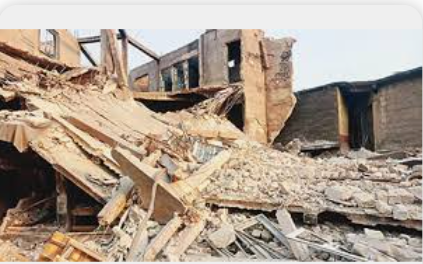
BREAKING: Lagos Building Collapse Causes Multiple Injuries


The tragedy happened in the early hours of Thursday, July 3, 2025, when a three-story structure unexpectedly fell on Asesi Lane, near Adeniji Adele Road, Lagos Island, leaving numerous people wounded and sparking fear among locals.

According to Lagos State Commissioner for Information and Strategy, Gbenga Omotoso, four persons have been rescued alive from the wreckage and brought to local hospitals for urgent medical attention.  The precise number of victims is still to be established while search and rescue activities continue at the site.

Emergency response teams swiftly arrived at the site, including personnel from the Lagos State Emergency Management Agency (LASEMA), Lagos State Ambulance Service (LASAMBUS), Lagos State Fire and Rescue Service, Lagos Neighbourhood Safety Corps (LNSC), Lagos State Traffic Management Authority (LASTMA), and the Nigerian Police Force.  These authorities have roped off the area to guarantee safety and handle crowd control while rescue attempts are continuing.

The fall happened without notice, generating great panic in the highly populated neighborhood.  Traffic management authorities have devised temporary diversions to assist travel around the impacted zone, sending cars from Zenith Bank via Oba’s Palace to Enu Owa and other roads.

The reason for the collapse remains uncertain.  However, structural breakdowns and the elderly condition of many structures in Lagos Island are recurring worries.  Lagos has been battling with repeated building collapses, with experts and regulatory authorities warning about the urgent need for better enforcement of construction rules and improved maintenance methods.

This event adds to a troubling trend in Lagos, where building collapses have grown increasingly regular.  In 2024 alone, Lagos saw an average of one building fall every two weeks.  Over the previous 13 years, at least 90 structures have fallen in the state, resulting in more than 350 fatalities, according to the Council for the Regulation of Engineering in Nigeria (COREN).

Recent months have witnessed several such catastrophes around Lagos.  For instance, in May 2025, a building under construction collapsed in Ikorodu, killing one person.  Another collapse happened in Mushin, and in April, a three-story structure fell in Ojodu-Berger, resulting in seven fatalities and multiple rescues.  In March, a similar occurrence in Lekki resulted in two deaths.

The Lagos government and emergency authorities continue to examine the latest collapse to establish the exact reason and to avoid future disasters.  Meanwhile, rescue workers continue at the scene, working feverishly to discover any further trapped victims and offer treatment to the wounded.

Residents and stakeholders are pushing for immediate improvements in construction standards, inspection protocols, and enforcement to stem the mounting toll of building collapses in Lagos, which has gained a terrible reputation as Nigeria's "building-collapse capital".

Authorities have encouraged the people to be calm and avoid the area to enable rescue efforts and maintain safety.


IMSU Records 100% Pass at Medical Laboratory Council Regulated Professional Examination ~ By Onyekachi A. Nwaozor

No less than 240 students of Medical Laboratory Science, Imo State University, Owerri (IMSU), have recorded 100% pass, with no failure, at the First Professional Examination being organized by the Medical Laboratory Council of Nigeria.


The breaking good news was shared by the Head of Medical Laboratory Science Department of Imo State University, Rev. Prof. Nnaemeka J. C. Okolie, during an interview with some journalists in his office at IMSU, on Wednesday, July 2, 2025.


He stated that "without taking this examination, graduates of Medical Laboratory Science would not be recognized by Medical Laboratory Council of Nigeria (MLSCN) and can not be given License to practice after their graduation. So, this examination is very necessary for the students to be inducted into the Medical Laboratory Council of Nigeria"


Going down memory lane, the Head of the Department recalled that, before the current Vice-Chancellor, Professor U.U. Chukwumaeze, SAN, assumed office, there were a lot of challenges on the ground in the Medical Laboratory Science Department, which included a backlog of students who were not indexed and were not recognized by the council. 


This was because, what has been happening in the past years was that, previous heads of department were selecting some students for indexing, leaving a backlog of other students not indexed. This accumulated to about 1,000 unindexed, which included those who were eligible to be indexed at that time.


The Vice-Chancellor saw it as a challenge and started working hard to ensure that all eligible Med Lab Science students are indexed. So, it took a lot of struggle, including flying in and out of Abuja, up to six times. On one of the occasions, the Vice-Chancellor went to Med Lab Council's office in Abuja to see them by himself.


According to the Head of Department, "the VC did all he could with his influence to ensure success. They promised that they would look into the case, so we came back. And after a protracted silence from the council, eventually, they decided to index all our eligible students ".


He therefore, thanked the Vice-Chancellor for such a record-breaking achievement, adding that it wouldn't have been possible without him, stressing that all eligible students of Medical Laboratory Science of Imo State University have been indexed, which has never happened since the inception of Med Lab Science at IMSU, describing the feat as a wonderful breakthrough.


Onyekachi A. Nwaozor, is 

The Ag. Public Relations Officer, of

Imo State University, Owerri.

Musician Plans To Marry Three Women On The Same Day.

Dr. Arube Otor, a well-known highlife musician from Delta State, is making news as he plans to marry three ladies on January 19, 2025. The event will be held at the Anglican Church Field in Uzere Kingdom, Isoko South Local Government Area. This one-of-a-kind event has sparked interest because of its size and the musician's successful career.


Dr. Arube Otor, also known as Isoko Fela One, has been a prominent presence in the Delta music scene for almost three decades. His path began quietly, as a driver who pursued his love for music. He eventually founded his dance band, which he called after himself around 12 years ago. Since then, he has published over 10 albums, cementing his status as an Isoko highlife music icon.


The wedding will include three ladies from Delta State: Oghenekome, Ewoma, and Oghenekaro. A viral wedding flier features Arube and his brides dressed in matching attire, emphasizing the event's cultural significance. Arube had intended to marry four ladies at first, but he had to change his plans when one of them withdrew for personal reasons.


Arube's choice to marry numerous spouses at once was partially motivated by cost savings. He previously married two ladies roughly 20 years ago, one of whom divorced him; he now has one wife. His foster son, Emperor Efih (Oscar), argued that marrying numerous ladies at once would save the costs of separate ceremonies.


Polygamous marriages are popular in many Nigerian societies, and they are often seen as a means of strengthening family and community relationships. Arube's wives come from several areas in Delta State, including Edafemaga in Ndokwa East LGA, Oruamudhu Ozoro Kingdom in Isoko North LGA, and Uroto Quarter in Ozoro Kingdom. This variety reflects the region's cultural richness.


According to Efih, the connections with each wife evolved individually; none are from Arube's group. Two of the wives have given birth to children with him, and the third is expecting her first kid. Last year, all three brides' customary rituals were performed on the same day, symbolizing their dedication to Aruba.


The forthcoming wedding has created interest in the local community and among lovers of Arube's music. Many people see this occasion as a celebration of love and cultural heritage. The combination of music and marriage is especially important in African cultures, where weddings often include traditional songs and dances.


Arube's contribution to Isoko's highlife music has not been ignored. His ability to combine classic sounds with current elements has won him a devoted audience. He is famous not just for his musical skill but also for his involvement in promoting Delta State's cultural identity via his art.


As Dr. Arube Otor prepares for this momentous event in his life, it means more than simply a marriage; it represents a combination of culture, music, and community values. The January 19 wedding promises to be a magnificent event that will be remembered for years in Delta State and beyond.

Prof. Ukozor Identifies Gender Equality As Panacea For Development ~ By Onyekachi A. Nwaozor

Professor Nkem Fab-Ukozor, the Project Director of the Media and Gender Enlightenment Initiative and Head of the Department of Development Communication Studies, at the Faculty of Communication and Media Studies, Imo State University, Owerri, has identified Gender Equality as a Panacea for Development.


Prof. Ukozor revealed this on Wednesday, December 18, 2023, during the Public Awareness Campaign tagged "Online Misogyny: Building Capacity of Women in South-East Nigeria." The campaign was held at the Faculty of Communication and Media Studies, Imo State University, Owerri, and was organized by the Media and Gender Enlightenment Initiative (MEGEIN) in collaboration with the World Association for Christian Communication (WACC).


She said, "Gender equality is essential for creating a sustainable and just society. It must be pursued, not because it is a human right, but because it is critical for achieving sustainability in all ramifications of development". She added that, when everyone has an equal opportunity to thrive, it benefits all aspects of development and ensures that all individuals can contribute their talents and ideas in an atmosphere of peace and justice.


The MEGEIN Director stressed that women and girls face oppressive conditions in many parts of the world, particularly, the emerging democracies of Africa and, indeed, Nigeria. "Women's voices are suppressed, silenced, and controlled by discriminatory practices, and by implicit social attitudes, Cultural norms, and patriarchal values in real-life situations. Such are not different in mainstream and digital media spaces", she said.


She revealed that online and ICT-mediated violence against women has become increasingly common, particularly with the use of social media platforms and other technical applications, every day and everywhere. "As women and girls gain access to and engage with the internet, they face online violence that is part of the continuum of multiple, recurring, and interrelated forms of gender-based violence against women".


"It is therefore disheartening, to observe that despite the benefits and empowering potential of the internet and ICT, women, and girls in Africa and the world at large have increasingly voiced their concern at the prevalent harmful, sexist, misogynistic, and violent online content and behavior. Such a hostile environment not only undermines the positive aspects of digital technology but also perpetuates the circle of violence against women and girls, making their online experiences an extension of persistent and interconnected forms of gender-based violence".


While presenting a paper titled; "Women and Communication", The Head of the Department of Advertising, Faculty of Communication and Media Studies, Professor K. O. Nworgu, argued that gender issue represents both male and females, but unfortunately, women have appropriated the word, "gender". , whenever you bring up gender issues, women will tell you it's about them.


He, therefore, looked at the issue from the way the society relates and communicates with women as well as the way women relate and communicate with the society at large as well as the issues that affect such Communication. He listed some of the issues to include; language barrier, limited access to Information, poor Communication infrastructure, and Cultural barriers against women, among others.


Professor Nworgu insisted that the majority of problems faced by women are caused by their fellow women. He however, advised them to put their house in order, love themselves, get united, project a common front, and take themselves seriously, so that they would be treasured, valued, and respected.


The second paper presenter, titled; "How to Have a Better Online Presence for Women in Nigeria", Dr. Ifeoma Ojiakor-Umenze, a senior lecturer in the Department of Development Communication Studies, Faculty of Communication and Media Studies, Imo State University, stated that women belong to a disadvantaged group. She explained that Nigeria is one of the fastest growing digital economies in Africa, yet, her women remain underrepresented. 


Speaking further, she cited research by the Global System for Mobile Communication Association (GSMA), which found that only 43% of women in Nigeria have access to the Internet as against their male counterparts 65%". The study equally found that a large gender gap exists in terms of smartphone ownership, where 32% of women own smartphones as against 51% of their men counterparts.


She therefore advised women to stop playing the victim card and start something so that their voices would be heard. She added, "It is not enough to know how to do something, you need to announce it to the world".


The workshop was well attended by men, women, boys, and girls from all walks of life.

Powered by Blogger.